6 Min Read
How Chicagoland Area Homeowners Start the Whole Home Remodel Process
Whole home remodeling is a major decision, especially in established Chicagoland area communities where homes often carry both architectural character and long-term investment value. In areas like Glenview, Northbrook, Highland Park, Deerfield, and Winnetka, homeowners are not just updating finishes. They are rethinking layout, functionality, and long-term livability.
For most Chicagoland area homeowners, the remodeling process begins long before construction. It starts with clarity around goals, budget expectations, and choosing the right design-build remodeling contractor who can manage the entire process from concept through completion.
Below is a breakdown of how homeowners in Chicago’s North Shore and Northwest suburbs typically begin a whole home remodel and how to approach the process strategically.
Sections in This Article
- Evaluating Whether a Whole Home Remodel Is the Right Move
- Defining Goals and Long-Term Plans
- Establishing a Realistic Investment Range
- Choosing a Design-Build Remodeling Contractor in the Chicagoland Area
- The Initial Consultation and Discovery Phase
- Design Development and Planning
- Budget Alignment and Construction Planning
- Preparing for Permits and Pre-Construction
- Frequently Asked Questions
1. Evaluating Whether a Whole Home Remodel Is the Right Move
In Chicagoland neighborhoods such as Northbrook, Glenview, Highland Park, and Deerfield, many homes were built in the 1980s and 1990s. While structurally sound, these homes often have compartmentalized layouts, dated kitchens, and undersized primary suites.
Homeowners typically start by asking whether remodeling makes more sense than moving. With current home values in the 700,000 to 1.5 million dollar range across much of the Chicago's North Shore and Northwest suburbs, many families choose to reinvest in their existing property rather than compete in a tight real estate market.
A whole home remodel allows homeowners to reconfigure floor plans, update mechanical systems, and modernize finishes while staying in the community they value.
2. Defining Goals and Long-Term Plans
Before meeting with a whole home remodeling contractor in Glenview or Northbrook, homeowners often clarify a few key questions:
How long do we plan to stay in this home?
Are we remodeling for resale or long-term living?
What frustrations do we experience daily in this house?
Homeowners planning to stay long term tend to prioritize functionality, storage, energy efficiency, and cohesive design across the entire home. This stage is less about finishes and more about lifestyle alignment.
Clear goals make the design and budgeting phases far more efficient.
3. Establishing a Realistic Investment Range
One of the most important early steps in a Chicagoland area whole home renovation is understanding the financial scope.
In communities like Winnetka, Highland Park, Glenview, and Northbrook, whole home remodels often start around 150,000 and can exceed 400,000 depending on square footage, structural changes, and level of finish.
Homeowners who begin the process with a defined investment range experience less friction later. Transparency about budget allows the design-build team to guide layout decisions, structural modifications, and material selections appropriately.
This step eliminates unrealistic expectations and creates alignment from the beginning.
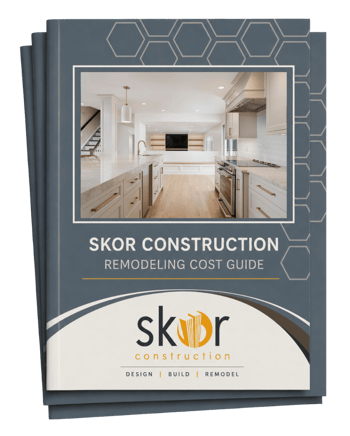
If you are in the early research phase and want a clearer understanding of what impacts remodeling costs in the North Shore, we recommend downloading our Home Remodeling Cost Guide. This guide breaks down typical investment ranges, explains what drives pricing differences, and outlines how allowances and material selections affect your final budget. It is designed specifically for homeowners in Glenview, Northbrook, Highland Park, Deerfield, and surrounding Chicago North Shore and Northwest suburb communities who want realistic numbers before scheduling a consultation.
Having this information upfront allows you to approach your whole home remodel with confidence rather than uncertainty.
4. Choosing a Design-Build Remodeling Contractor in the Chicagoland Area
In higher-end Chicagoland area remodeling projects, homeowners increasingly prefer the design-build model.
Instead of hiring an architect separately and then bidding plans to multiple contractors, a design-build remodeling firm manages design, budgeting, permits, and construction under one coordinated system.
For homeowners in Glenview, Deerfield, Barrington, and surrounding communities, this approach reduces miscommunication, shortens timelines, and creates greater cost predictability.
When evaluating contractors, homeowners should look for:
- Clear process explanation
- Defined stages and expectations
- Transparent budgeting methods
- Strong local experience in Chicagoland area municipalities
- Structured communication systems
Process clarity is often equally as important as portfolio photos.
5. The Initial Consultation and Discovery Phase
The first formal step in a Chicagoland area whole home remodel typically begins with a discovery call, followed by an in-person consultation at the home. This phase is designed to determine alignment before design work begins and to establish clear expectations on both sides.
During the discovery conversation, homeowners share their goals, frustrations with the current layout, desired timeline, and preliminary investment range. An experienced design-build remodeling contractor will also ask direct questions about long-term plans for the home, decision-making structure within the household, and priorities around functionality, aesthetics, and resale value. These early discussions help clarify whether the scope and budget expectations are realistic for the type of renovation being considered.
The in-person consultation allows the remodeling team to evaluate structural limitations, mechanical systems, and layout constraints that may affect feasibility. In established Northwest suburbs such as Glenview, Northbrook, and Highland Park, many homes require careful review of load-bearing walls, aging infrastructure, and local building requirements before meaningful planning can begin.
A well-structured consultation does more than generate ideas. It provides clarity around next steps, outlines the design process, and explains how budgeting will be approached. Homeowners should leave this meeting with a clear understanding of how the project would move forward and what level of planning is required before construction can begin.
When handled properly, this phase replaces uncertainty with structure and sets the foundation for a well-managed whole home remodel.
6. Design Development and Planning
Once alignment is established, the project moves into design development. This is where ideas are translated into structured plans that guide the entire renovation.
For whole home remodeling projects in Northbrook, Glenview, Highland Park, and surrounding communities, this phase often involves reworking outdated layouts, opening living spaces, adjusting structural elements, and coordinating mechanical updates. Many homes in these areas require thoughtful planning to improve flow while maintaining architectural integrity.
Architectural drawings, layout revisions, and initial material selections are developed during this stage. A well-managed design-build process keeps budgeting connected to these decisions so the project remains aligned with the established investment range.
Thorough planning at this stage reduces surprises during construction and creates a more predictable remodeling experience overall.
7. Budget Alignment and Construction Planning
Once design plans are developed, the project moves into detailed budget alignment and construction planning. This stage ensures that scope, materials, and expectations are clearly defined before any work begins.
A comprehensive construction proposal is prepared based on finalized drawings, including clearly outlined allowances for finishes and fixtures. These allowances provide flexibility while maintaining transparency around total investment. Aligning the budget with the approved design protects homeowners from unexpected cost escalations later in the process.
At the same time, project sequencing and scheduling are mapped out. For whole home remodeling projects in Glenview, Northbrook, Highland Park, and other Chicagoland area municipalities, this also includes preparing documentation for local permitting requirements. Each village has its own review timelines and inspection processes, which must be factored into the overall schedule.
When budget and planning are handled with precision before construction begins, the renovation moves forward with greater predictability, fewer change orders, and clearer communication at every stage.
8. Preparing for Permits and Pre-Construction
Before demolition begins, homeowners should understand what pre-construction involves.
This typically includes:
- Submitting plans to the local municipality
- Scheduling inspections
- Ordering long-lead materials
- Coordinating trade schedules
In higher-end North Shore whole home renovations, proper planning is what prevents extended delays and budget surprises.
Homeowners who experience a smooth remodel almost always begin with structured preparation.
Frequently Asked Questions
How long does a whole home remodel take in the Chicagoland area?
Most whole home remodels in Glenview, Northbrook, and surrounding Chicagoland area communities take between four and eight months depending on scope and structural complexity. Larger homes or projects involving additions may extend beyond that range. Pre-construction planning and permitting can add additional time. A clearly defined schedule at the beginning reduces unexpected delays.
Is design-build better than hiring an architect separately?
For many homeowners, the design-build approach creates better coordination and budget control. When design and construction teams collaborate from the beginning, decisions are made with real construction costs in mind. This reduces change orders and disconnect between drawings and execution. It also creates a single point of accountability.
Should we move out during a whole home remodel?
In most full home renovations, temporary relocation is recommended. Living in the home during major structural or mechanical updates can create safety concerns and schedule slowdowns. Many Chicagoland area homeowners plan short-term housing during construction. Discussing this early allows for better timeline planning.
When is the best time to start a whole home remodel in the Chicagoland area?
Many homeowners begin planning in the fall or winter so construction can start in early spring. However, experienced design-build firms plan projects year-round. Starting early allows time for proper design, budgeting, and municipal approvals. The best time to start is when you are ready to commit to structured planning.
Closing Thoughts
For homeowners in the Chicagoland area, a successful whole home remodel begins with clarity, structure, and the right professional guidance. See why Chicagoland homeowners trust Skor Construction to bring their remodeling projects to life.
The earlier you align goals, budget, and process expectations, the smoother the experience will be. Whether you are remodeling in Glenview, Northbrook, Highland Park, Deerfield, or surrounding communities, the first step is not demolition. It is planning.
A well-managed process turns a complex renovation into a predictable, organized transformation. Schedule a consultation to discuss your goals, investment range, and timeline so you can move forward with clarity and confidence.